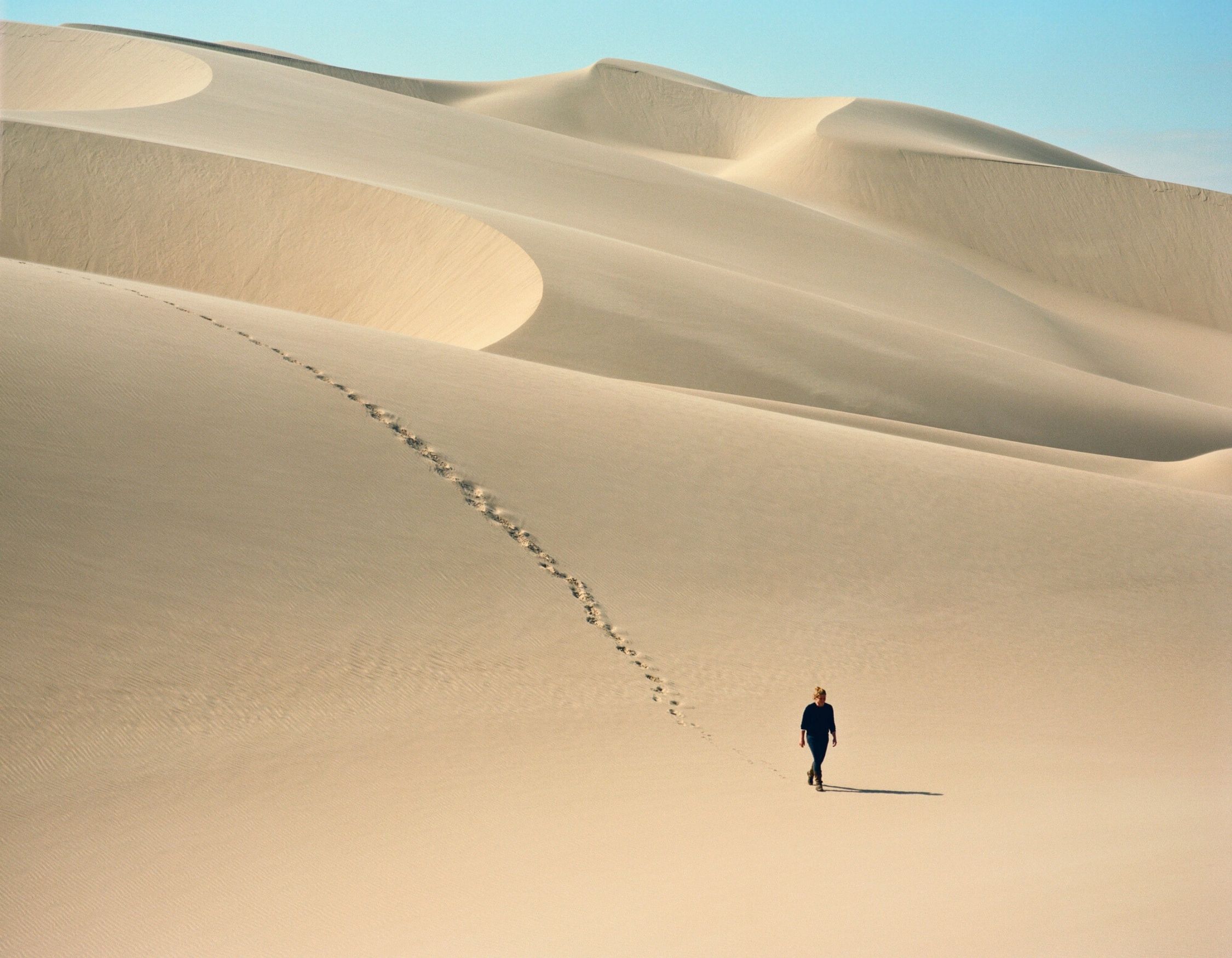
Woman walking alone through the desert sand dunes

The Future of Travel Beyond Over Tourism

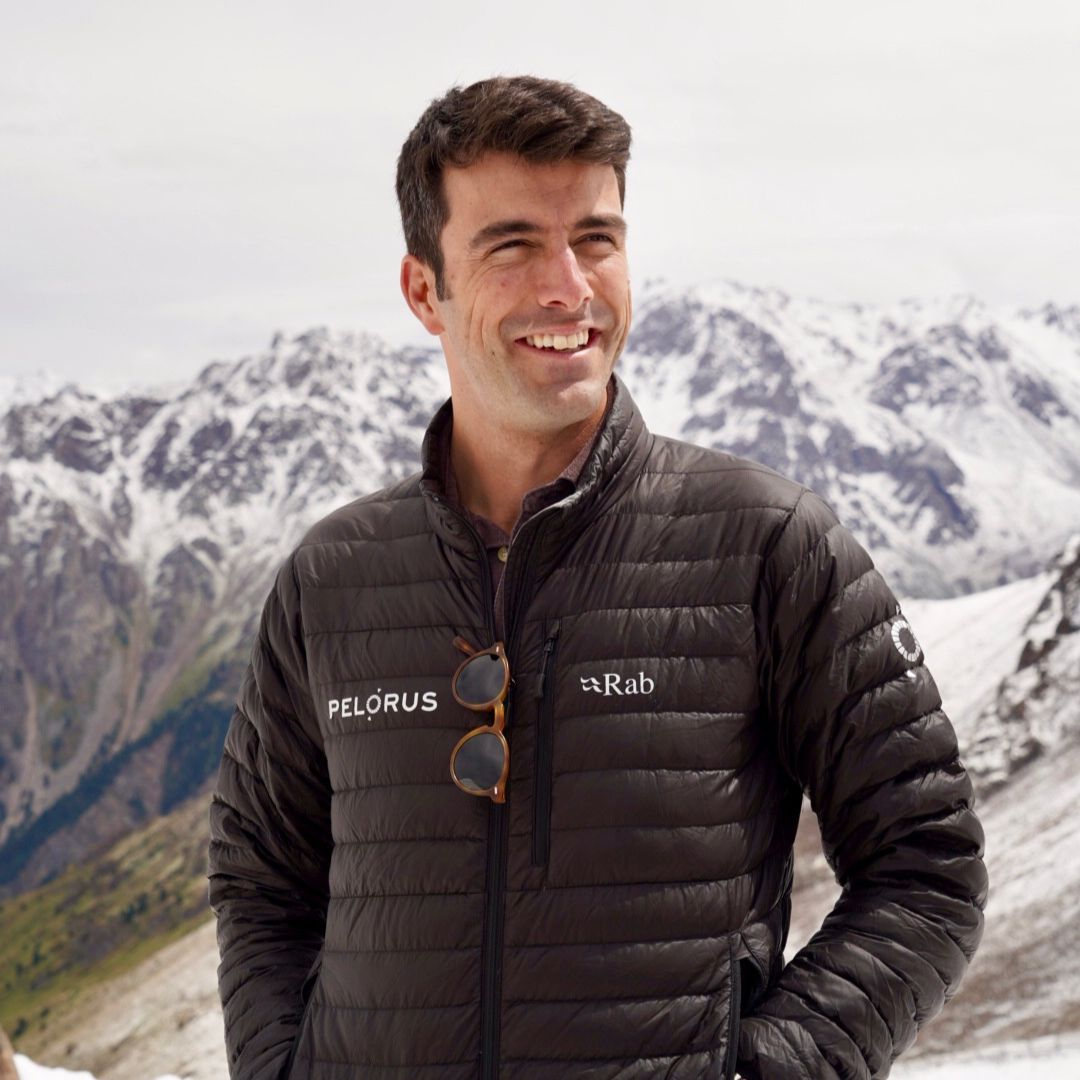
By Geordie Mackay-Lewis

Published 5 January 2026

Co-founder & CEO

Entrepreneur and former British Army Captain, specialising in pioneering global adventures by land, sea, and air. With a background in leading complex expeditions and directing automotive tech businesses across Europe, he now channels his expertise into experiential travel and conservation through his work with Pelorus and the Pelorus Foundation.

Luxury travel has reached a crossroads

For too long, the most sought after destinations have become victims of their own success. The “bucket list” mentality has led to over concentration in the same regions, leaving fragile ecosystems, strained communities, and diluted experiences in its wake. For those seeking authentic, transformative journeys, the promise of true luxury is being eroded.

At Pelorus, we believe the future of luxury travel lies beyond the over trodden path. It is about imagination, personalisation, and responsibility. True luxury is not only about access, but about impact, shaping experiences that give back more than they take, ensuring that the places we touch remain preserved for generations to come.

Moving Beyond the Bucket List

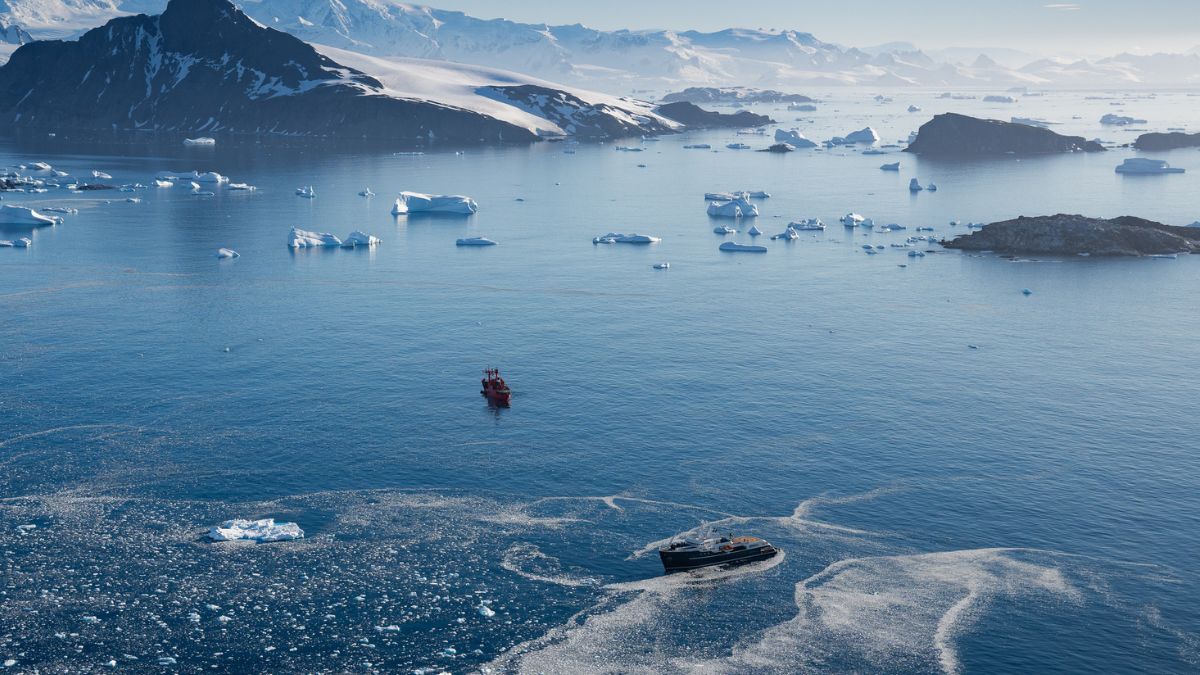
Two yachts sailing in Antarctica surrounded by icebergs and snow covered mountains

The old model of luxury, private villas in crowded destinations or yachts lined up shoulder to shoulder in the same Mediterranean harbours, feels increasingly tired. Discerning travellers no longer want exclusivity for its own sake. They want stories, not selfies. They want to be challenged, not just pampered.

Even destinations once considered remote are now showing signs of strain. Antarctica, for example, has seen visitor numbers surge from just 8,000 in the mid 1990s to almost 125,000 in the 2023–24 season, with projections suggesting this could rise to 452,000 annually by 2033–34. If over tourism can reach as far as the White Continent, it is clear that no destination is immune.

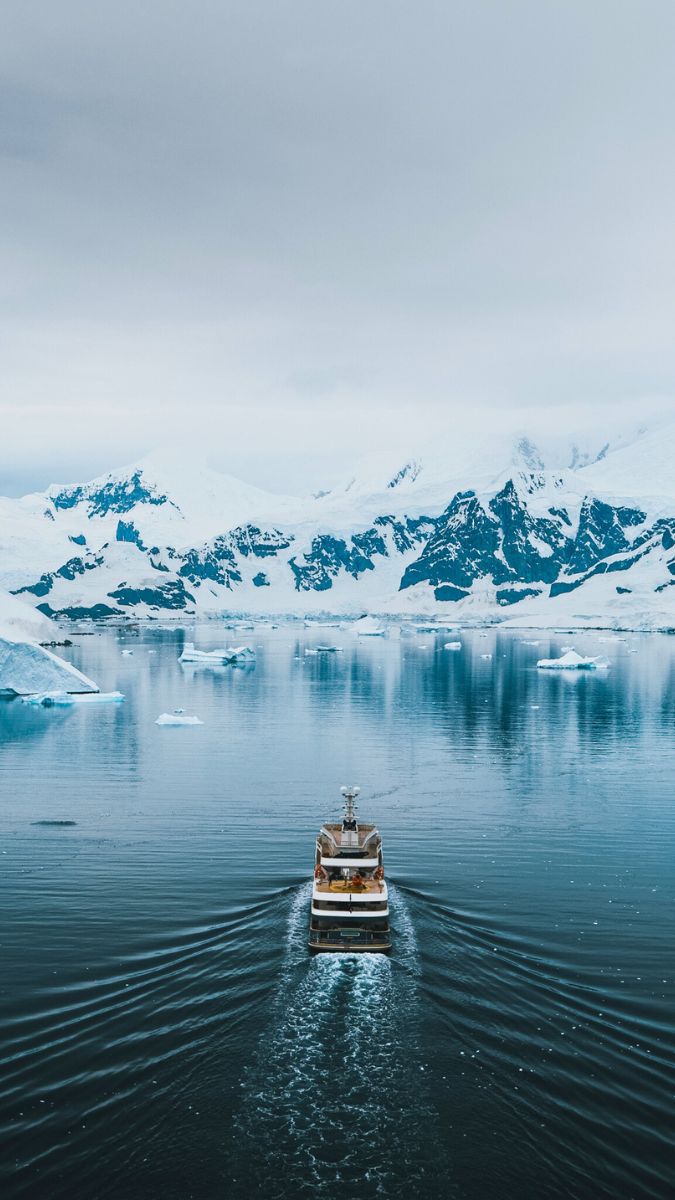
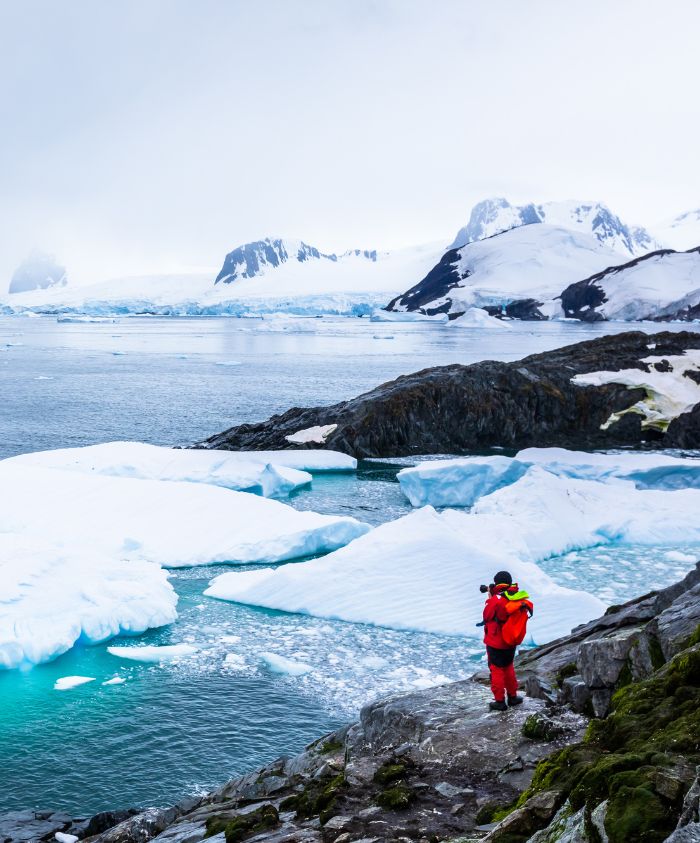
Yacht navigates through calm, icy waters surrounded by towering mountains and floating icebergs. The scene is muted with overcast skies, creating a tranquil atmosphere.
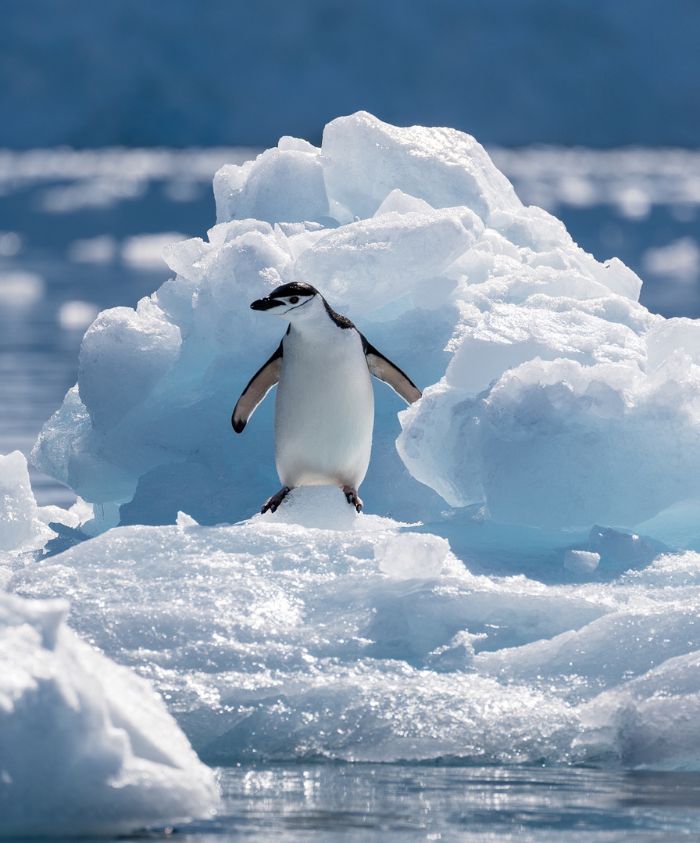
Penguin standing alone on floating ice
Man looking out to sea in Antarctica

On my first expedition to Antarctica, I remember standing on the deck of a yacht at midnight as the sun dipped behind an iceberg. The scale and silence were overwhelming. But what struck me most wasn’t the beauty, it was the fragility. You could feel how delicately balanced this environment was, and how easily it could tip under pressure. That moment changed the way I thought about adventure and responsibility.

As both charter brokers and expedition specialists, Pelorus has a duty to protect the places we visit. We manage strict permits, work alongside environmental scientists, and design every Antarctic journey by private yacht with minimal footprint. Our world class teams, expedition leaders, scientists, and guides, ensure each journey is safe, insightful, and deeply respectful of the environment.

The future of travel lies in seeking out regions that are lesser known, underappreciated, or approached in entirely new ways. It’s about discovering the extraordinary where others aren’t looking, and reimagining familiar destinations through a more thoughtful lens.

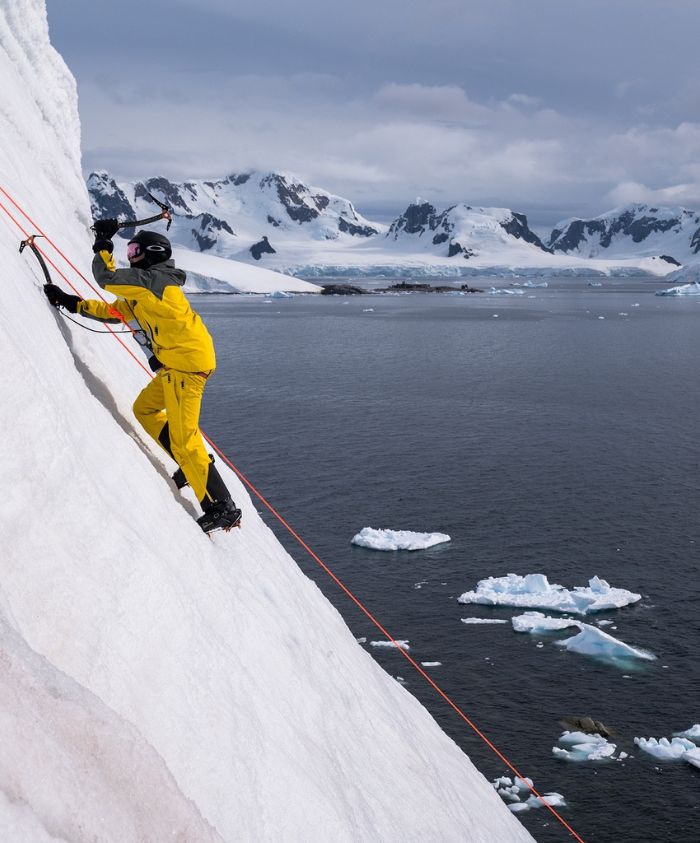
Man in a harness climbing an icy mountain in Antarctica
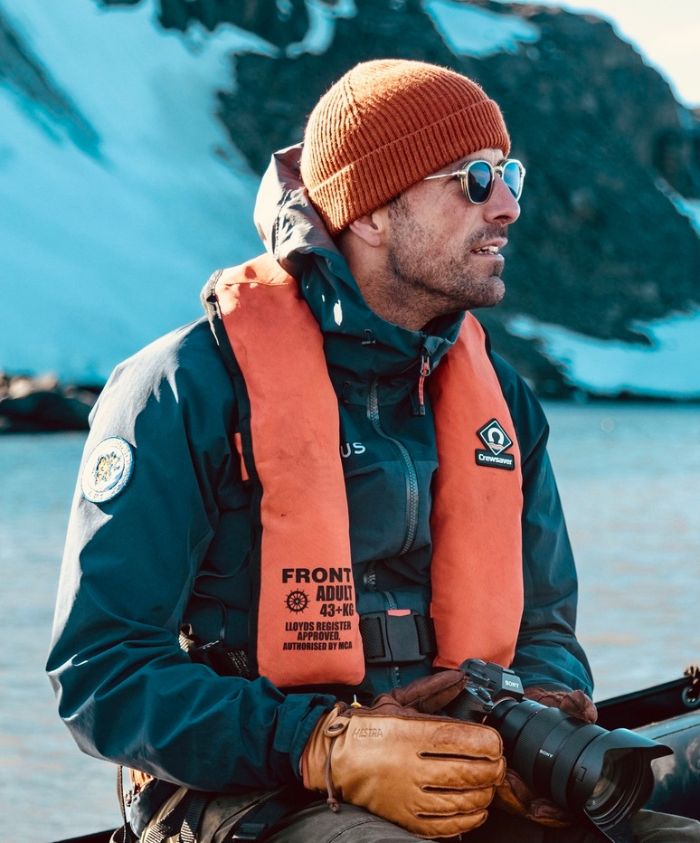
Man holding a camera on a boat in Antarctica
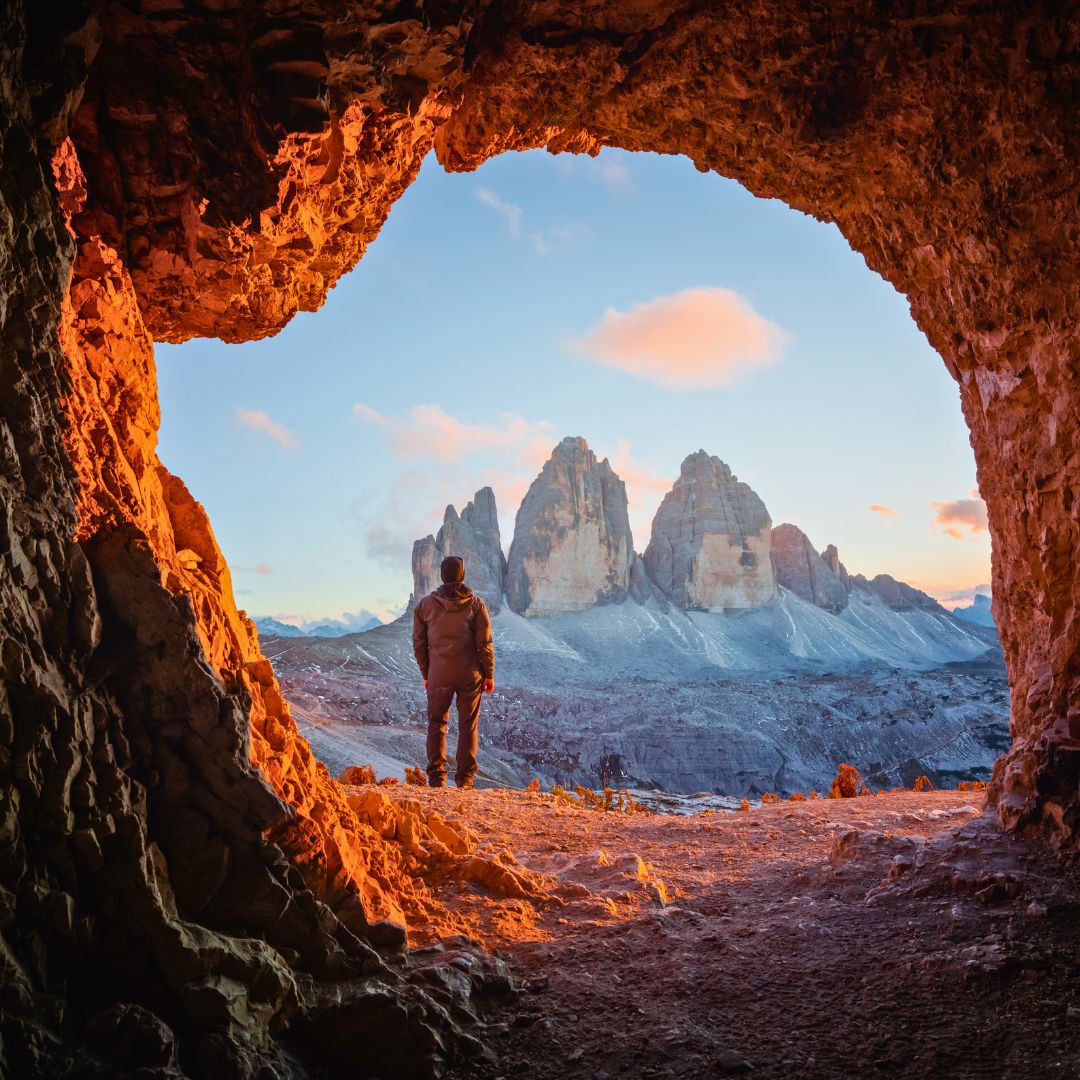
Man outside a mountain cave facing the Italian alps at sunrise

Designing with Responsibility

Over tourism isn’t just an environmental issue, it is a social one. Fragile ecosystems are pushed beyond their limits, local infrastructure becomes strained, and communities feel the weight of cultures commodified for mass consumption. Left unchecked, the very places travellers come to see risk being degraded beyond recognition.

This is why responsibility cannot be an afterthought in luxury travel, it must be built into the design. Protecting destinations from over tourism is not just about preserving their beauty for future generations, it is about ensuring travel remains meaningful. When the quality of experience suffers, everyone loses, travellers, communities, and the environment alike.

That belief was reinforced for me on an expedition through Arctic Norway, where I spent time with Sámi reindeer herders whose traditional routes are being reshaped by warming seasons and tourism growth. Listening to their stories around the fire, it became clear that travel, when done well, can amplify local voices and protect cultural heritage rather than erode it. It reminded me that the privilege of exploration lies in connection, not access.

Through initiatives like the Pelorus Foundation’s Climate Investment Fund, which raised funds in 2024–25 for rewilding and marine protection projects, we are seeing the tangible results of this approach, from new ranger employment to implementing cutting edge technology in conservation. These are not side projects, they are the foundation of how we operate.

A New Perspective

Over tourism doesn’t happen by accident. It happens when imagination fails. When itineraries are generic, when the same “must see” lists are recycled without thought, travellers are funnelled into the same hotspots, stripping destinations of their authenticity and diminishing the experience itself.

Luxury travel deserves better. By listening deeply to our clients, to their passions, motivations, and unspoken curiosities, we can design journeys that feel personal and purposeful. Often, that means suggesting destinations they would never have considered, but that resonate on a deeper level.

This is how we move beyond the predictable and avoid contributing to over tourism. By replacing uniformity with creativity, and saturation with surprise. True luxury is not about following the crowd, but about being guided to places and moments that feel uniquely yours, experiences that change how you see the world, and your place within it.

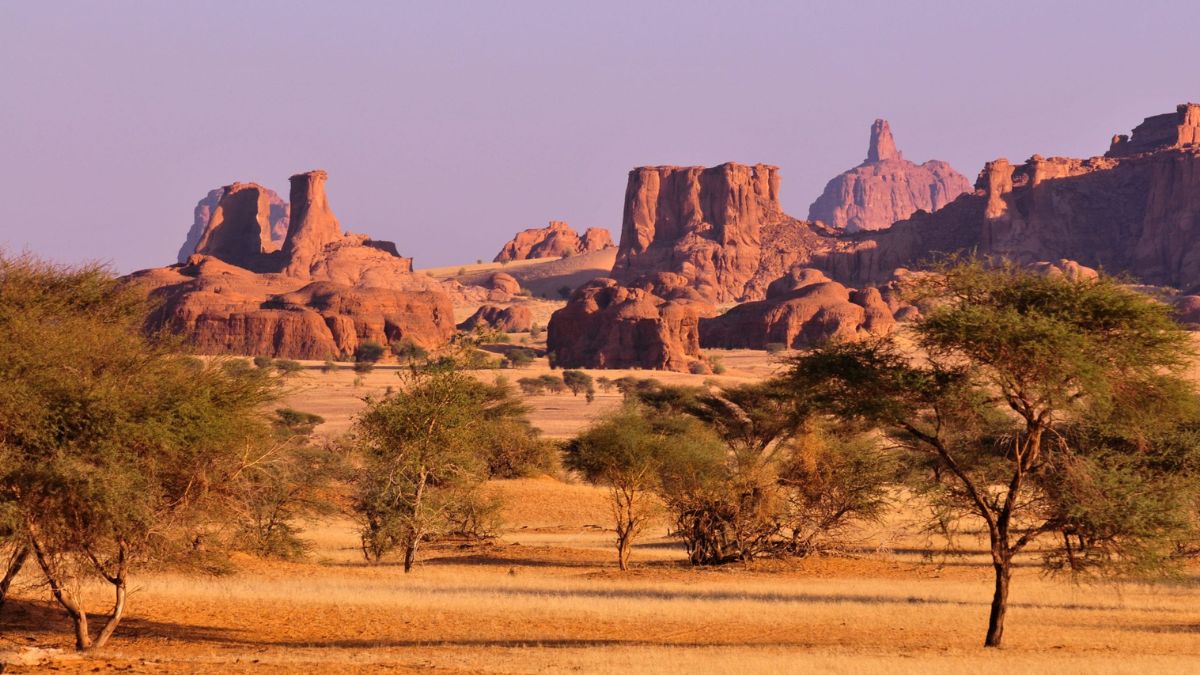
Remote desert with bush and shaped orange rocks in Chad
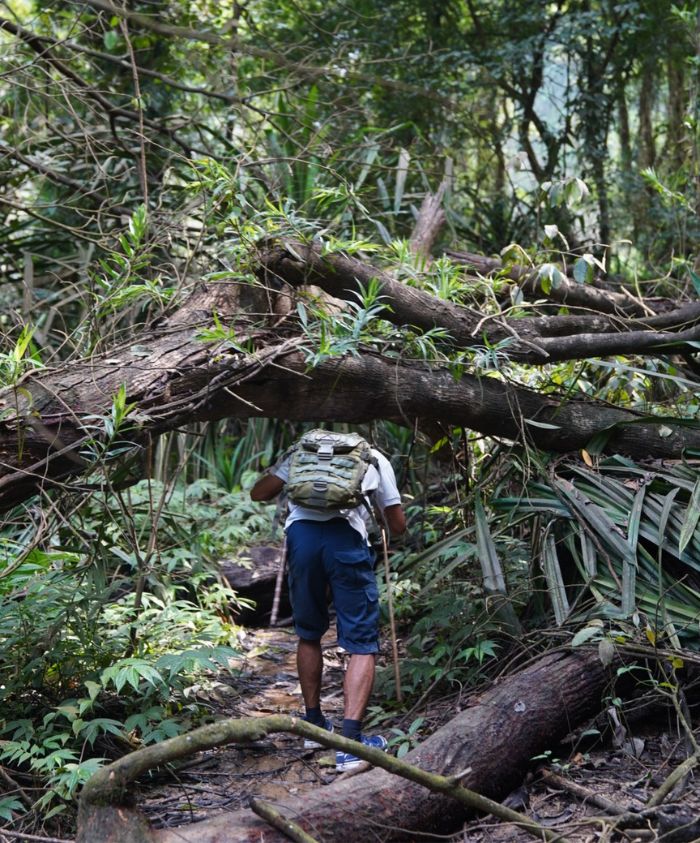
A person walking along a narrow path in a dense jungle, navigating around fallen trees and thick vegetation. They are carrying a backpack and using a walking stick for support.
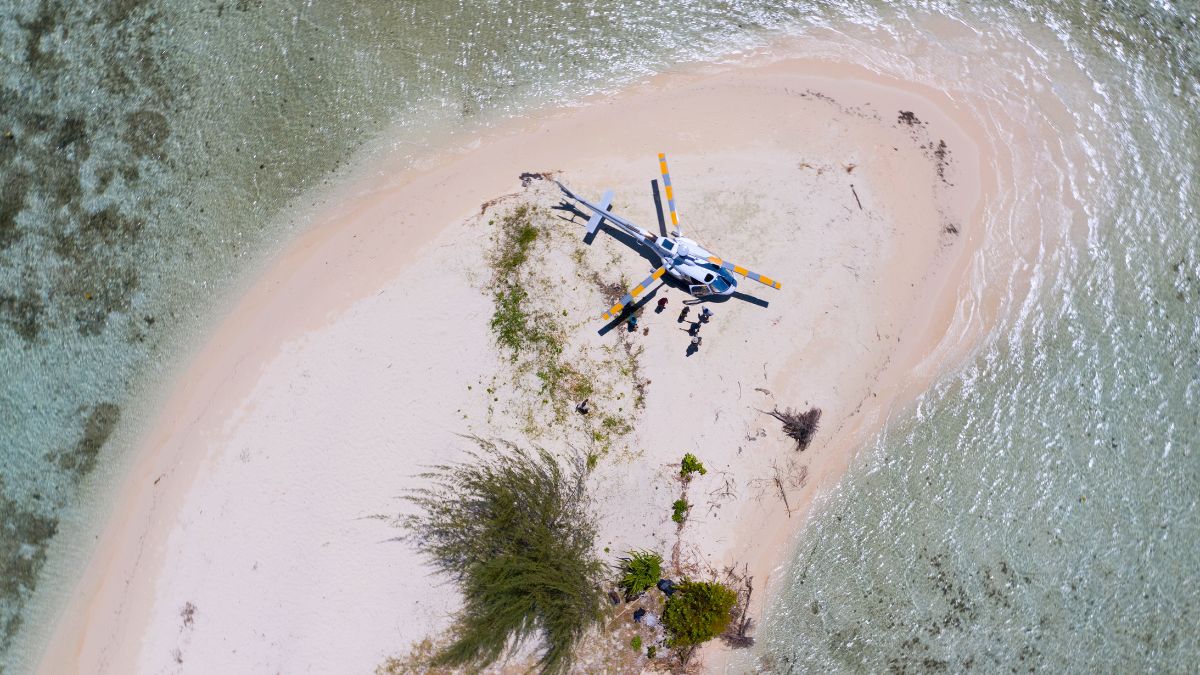
Helicopter on remote stretch of sand in Solomon islands

FEELING INSPIRED?

Get in touch with Geordie and our Travel Team to start planning your own unique adventure.

Related Stories