Planning a Family Safari in Kenya: What to Consider
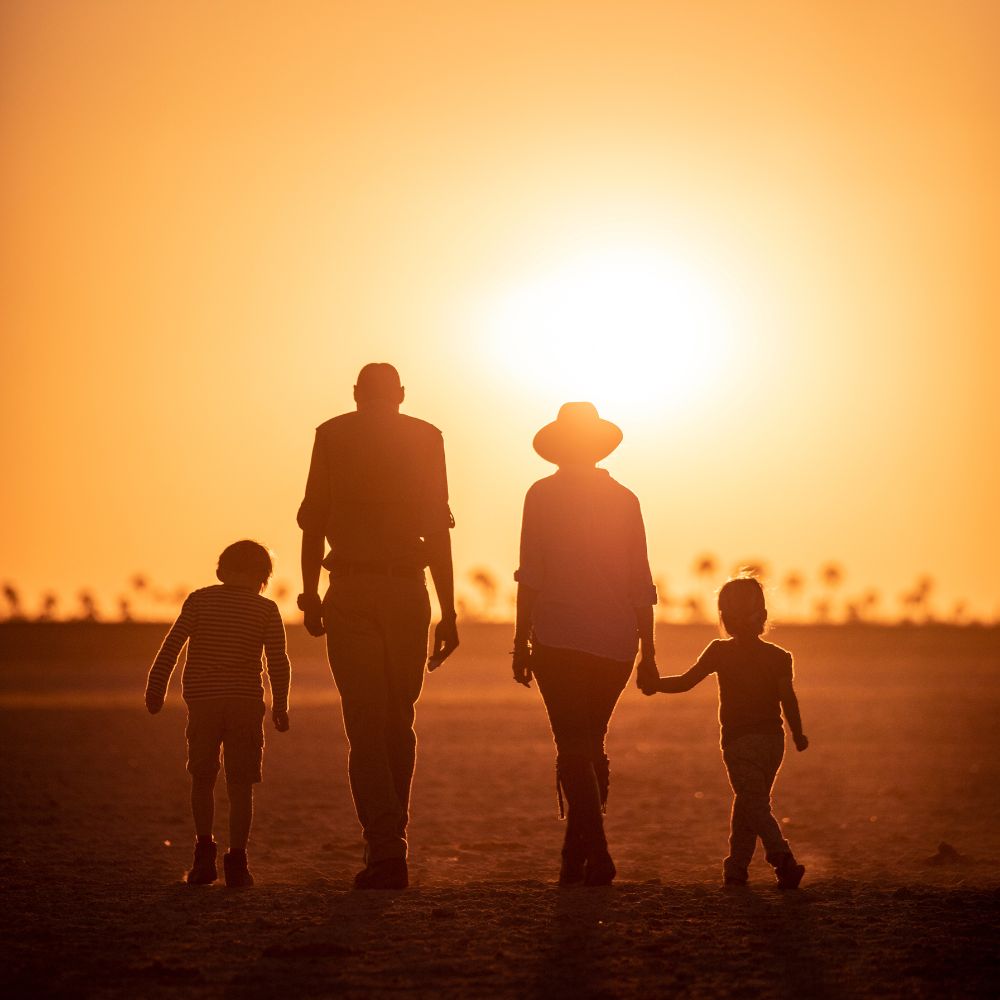
Not every camp or conservancy suits every family configuration. Getting the choices right is the difference between a trip that works logistically and one that stays with every generation for years.
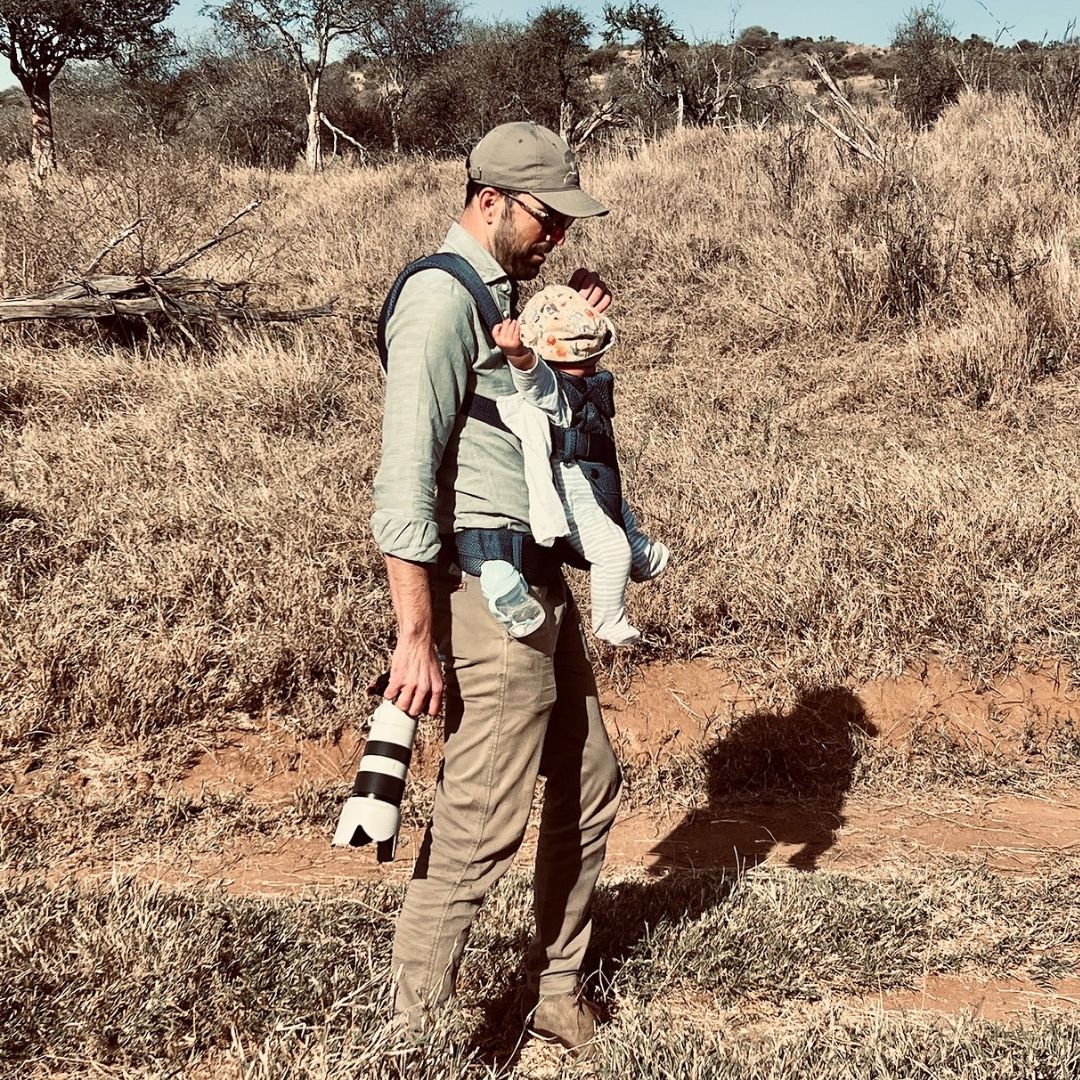
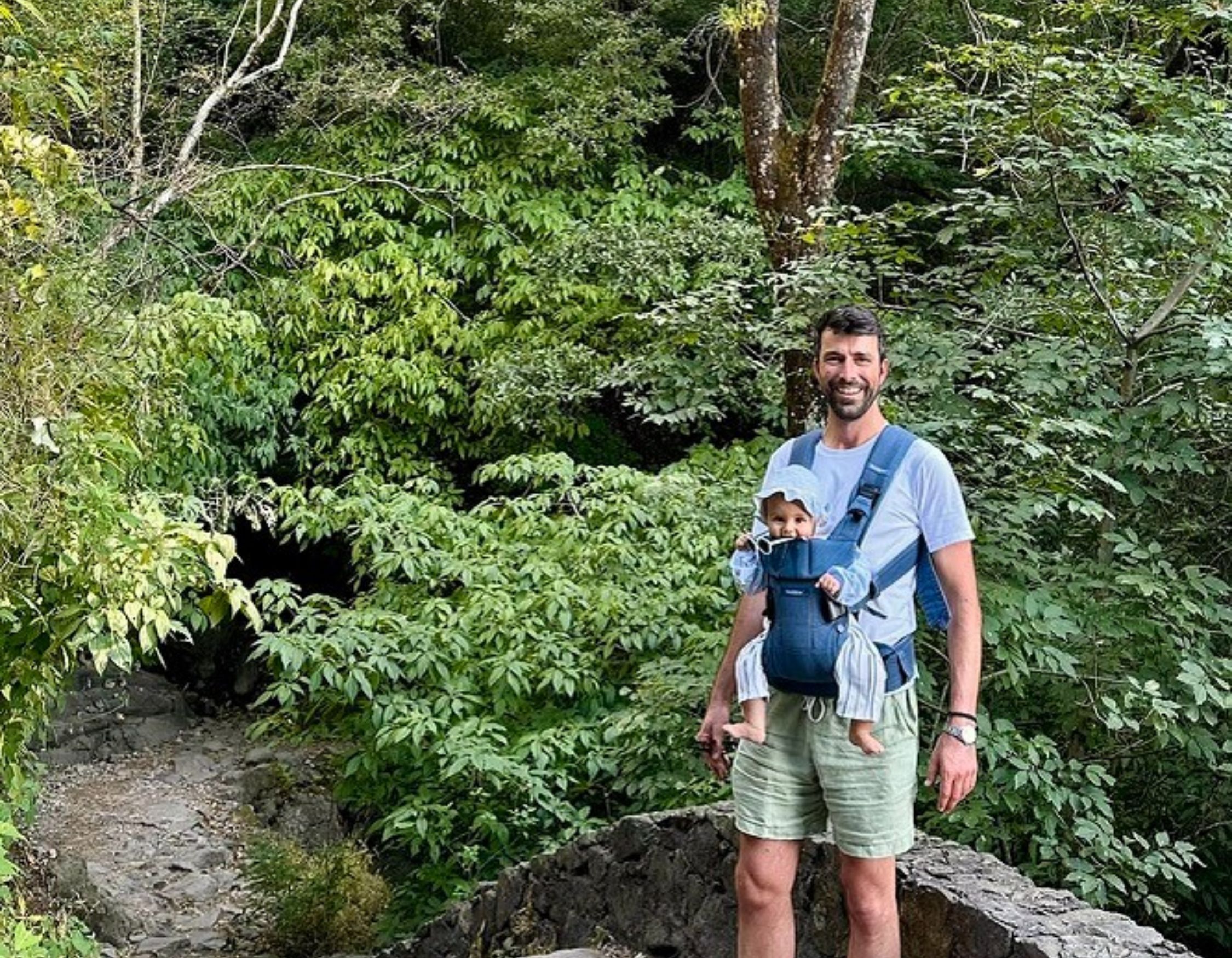
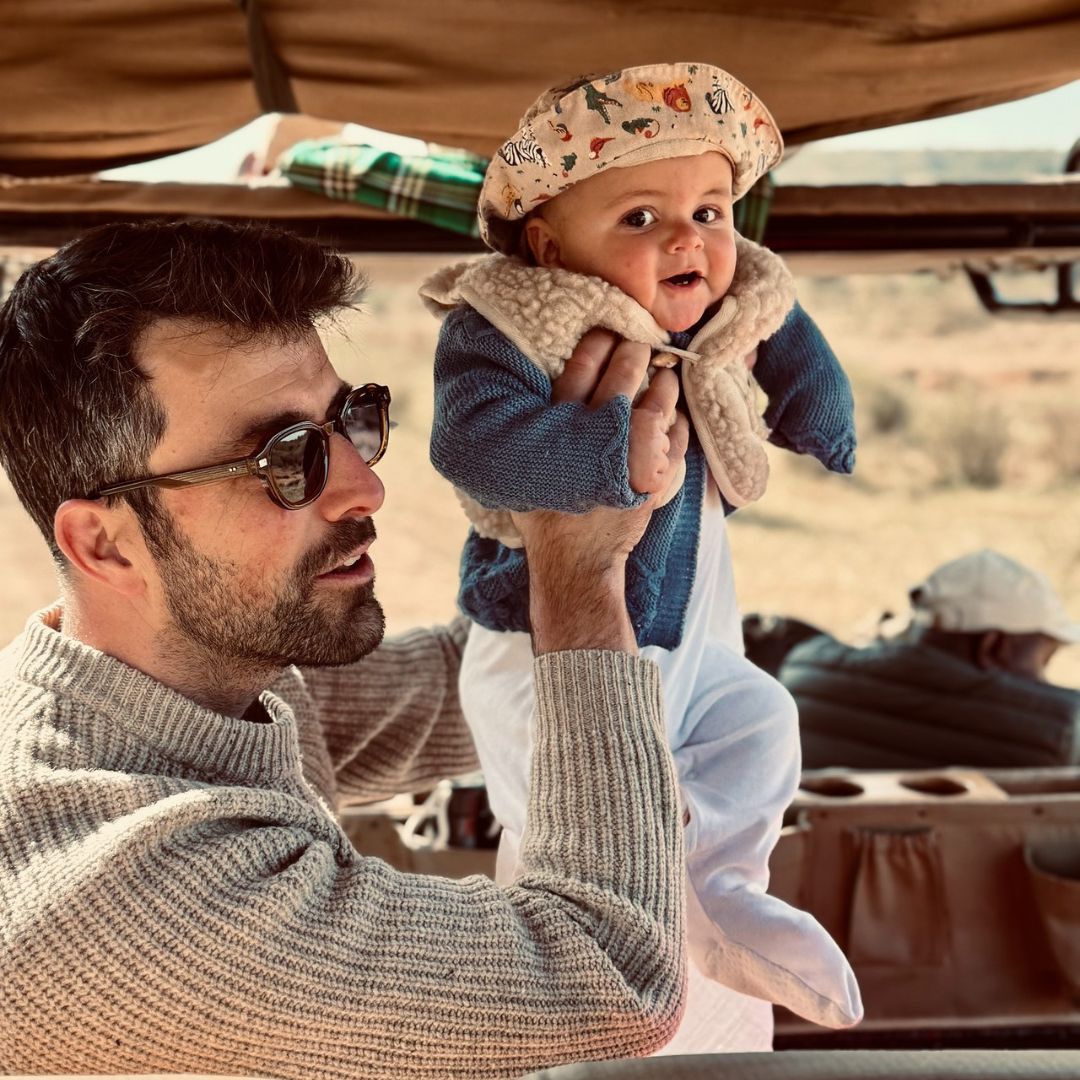
Age and pace. An eight month old dictates the pace. Shade, naps and practical logistics become central considerations, and a baby follows a very different rhythm from a ten year old. The best lodges understand this and adapt without being asked. An advance conversation with each property about your specific family configuration is always worthwhile.
Private houses over standard camp configurations. For families spanning three generations or more, private houses change the dynamic entirely. At Lengishu House on Borana Conservancy, the private-house model works exceptionally well for multigenerational groups, offering shared communal space, privacy when needed and the flexibility to move at a pace that suits everyone, rather than fitting around a set game drive schedule.
Transfers. Flight connections and road-transfer times vary considerably across Kenya. In Meru National Park, Elsa's Kopje offers a quieter, more exploratory atmosphere than Laikipia or the Mara, but longer transfers and less predictable wildlife viewing may not suit families with very young children or elderly travellers. These are not reasons to avoid a destination, but they are details worth understanding before you go.
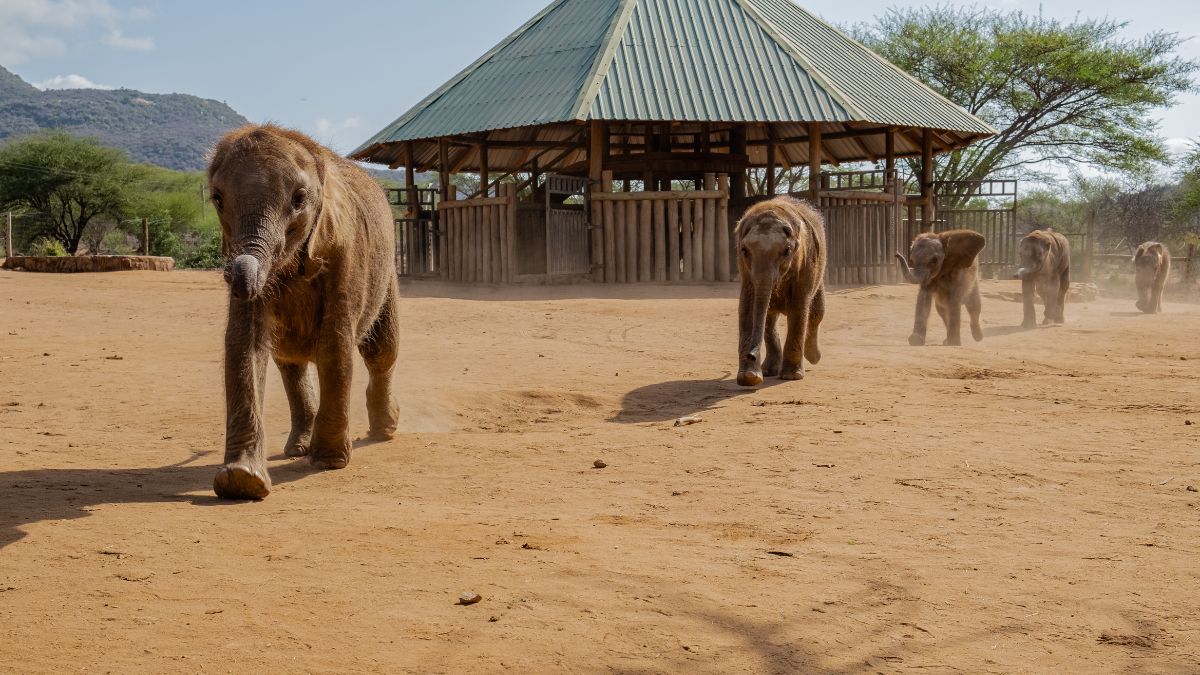
Conservation connection. Kenya's best conservancies integrate community and conservation into the experience in ways that give family travel genuine depth. Tourism revenue underpins land protection, schools and livelihoods. Time with Maasai communities in the Mara and Samburu communities farther north shows children something about how the world works that no classroom can replicate.
.jpg)

.jpg)
.jpg)
.jpg)
.jpg)
.jpg)
.jpg)
.jpg)
.jpg)
.jpg)