Overtourism is the byproduct of an older model of travel, one built around collecting destinations rather than truly inhabiting them. The bucket list mentality, for all its optimism, has concentrated millions of travelers into the same corridors, at the same moments, in pursuit of the same images.
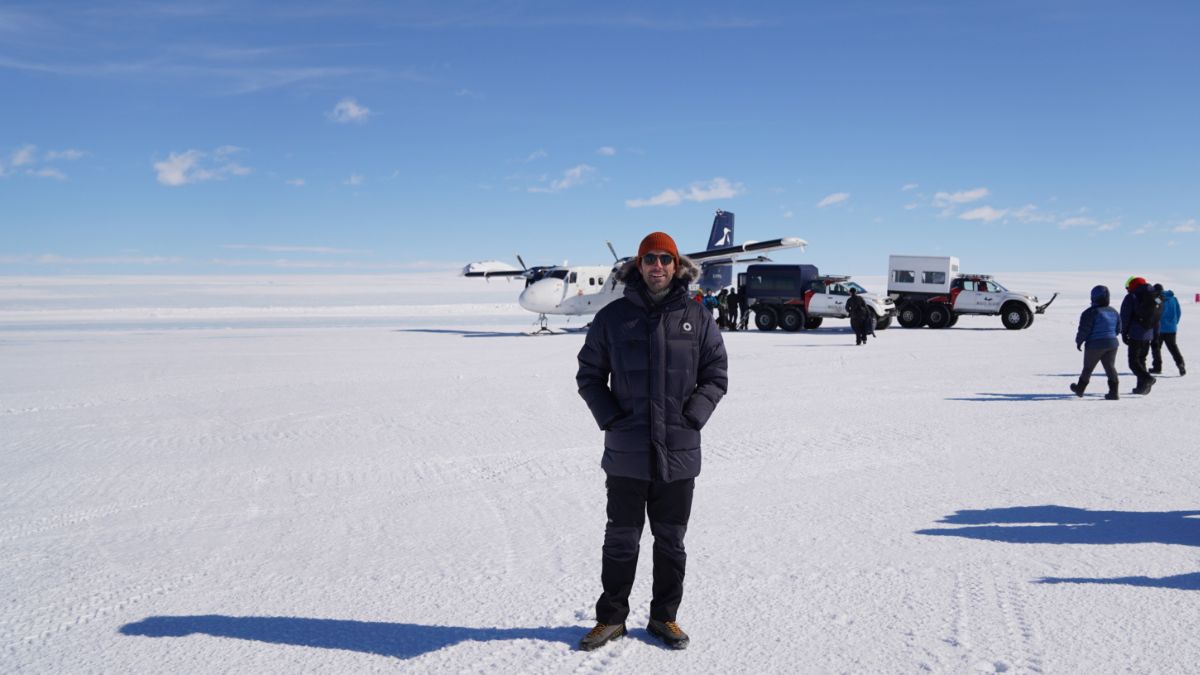
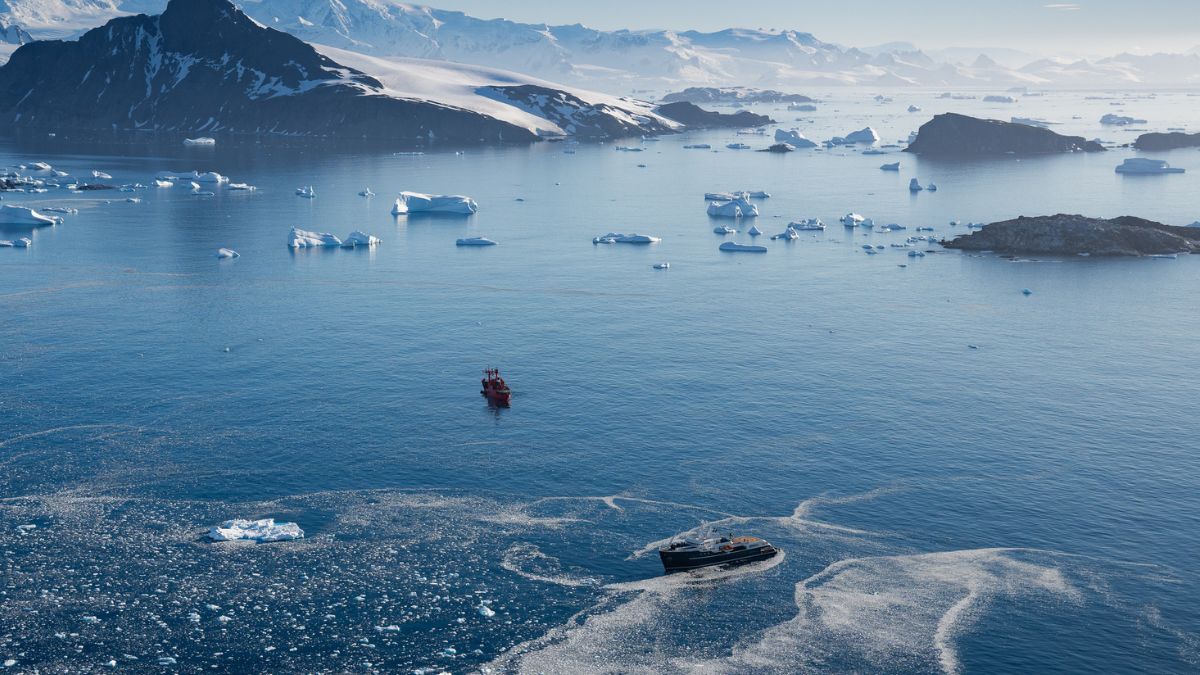
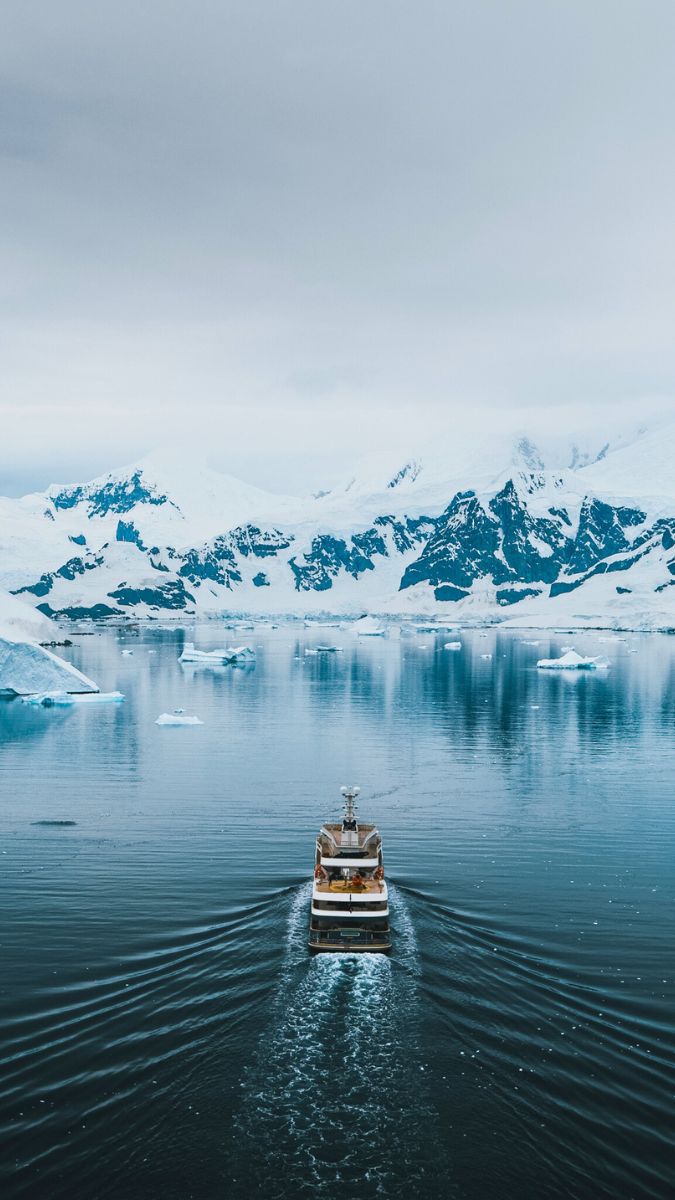
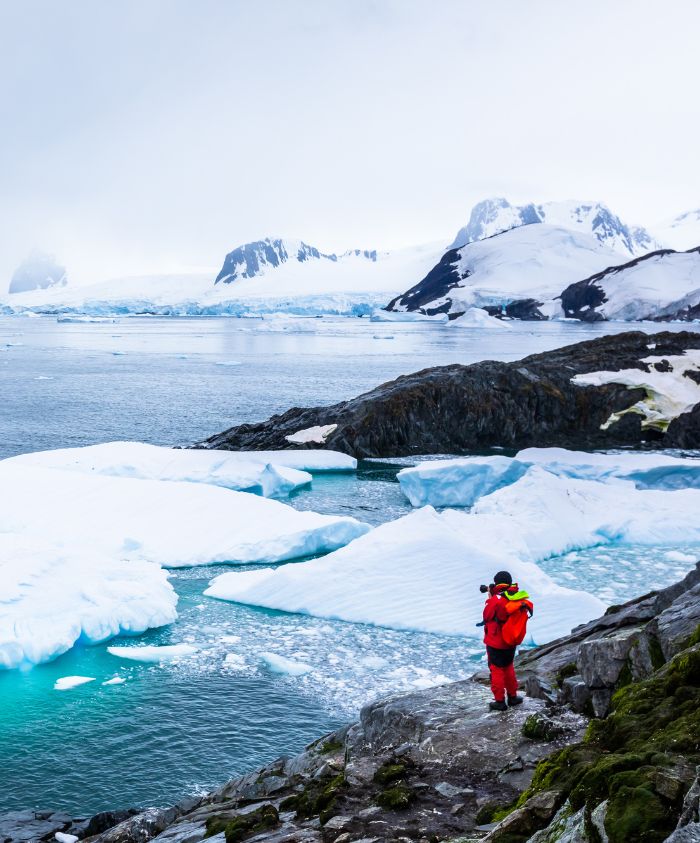
The consequences are now visible even in places once considered beyond reach. Antarctica, the last genuinely remote frontier, received fewer than 8,000 visitors in the mid-1990s. By the 2023–24 season, that number had risen to almost 125,000, with projections suggesting it could reach 452,000 annually by 2033–34. Permits are tightening. Visitor caps are following. The question is no longer whether overtourism can reach the ends of the earth, but how travel must evolve in response.
The future of travel lies not in reaching farther, but in experiencing more meaningfully, with greater care, access, and perspective.
For the past decade, a shift has been quietly unfolding in how people relate to travel. For Boomers and early Gen X, it was about the destination, seeing the world, collecting places. For later Gen X and early Millennials, the experience became just as important as the destination itself. Now, for later Millennials and Gen Z, something deeper is emerging. Travel is increasingly about meaning, about understanding the world and your place within it.
This evolution has been building for years, but it is now especially visible. At a time when many travelers are asking where they are still welcome, where in the world remains open, the answer is more nuanced than headlines suggest. It is not simply about where you go, but how you choose to experience it.
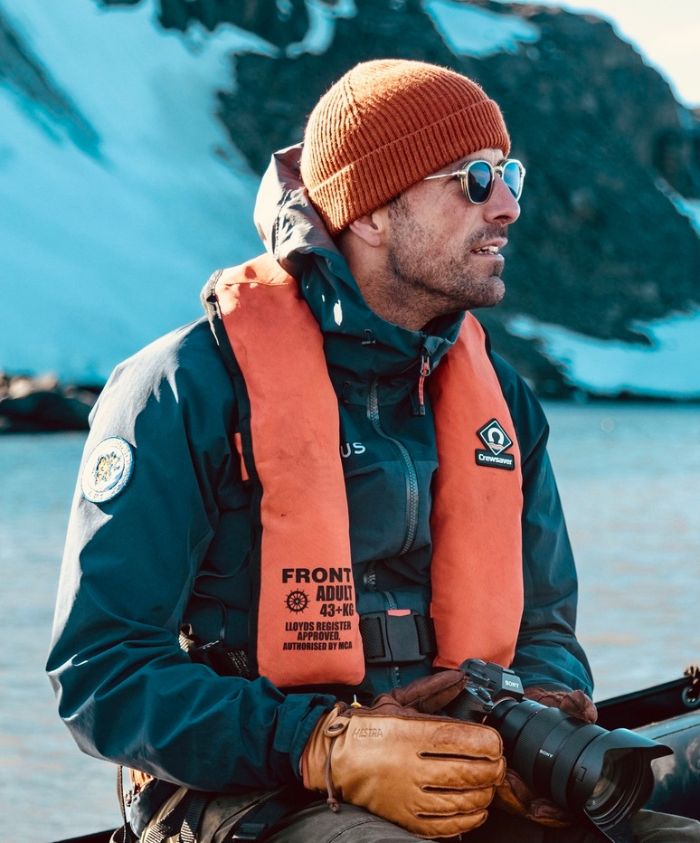
“We didn’t build Pelorus around destinations. We built it around the idea that travel, done properly, changes how you see everything else. That has never been more relevant than it is right now.”
— Geordie Mackay-Lewis, CEO & Co-Founder, Pelorus





.jpg)